The Boerboel:
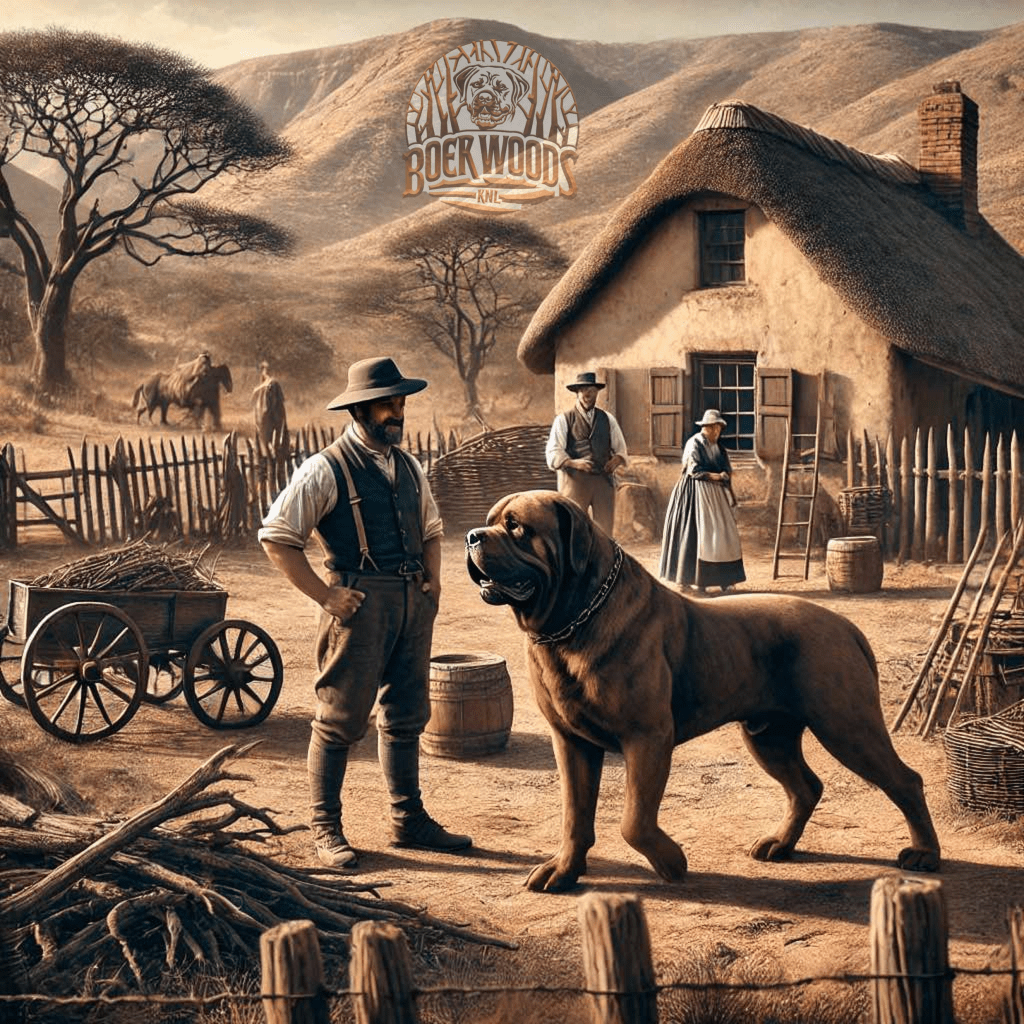
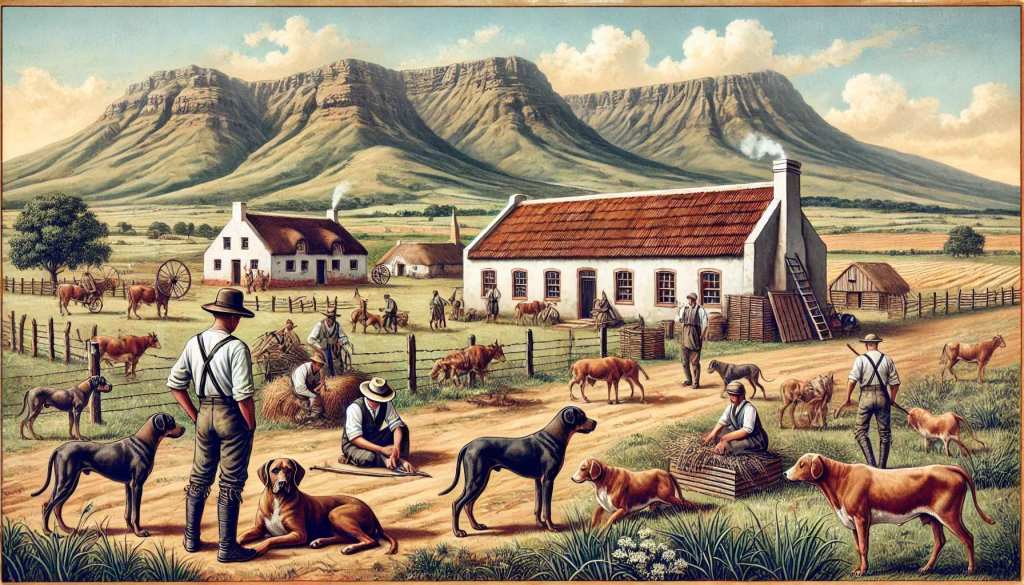
A Robust and Versatile Dog from South Africa The Boerboel, a sturdy and multifunctional breed native to South Africa, boasts a fascinating history rooted in colonization and the practical needs of early settlers. This dog was shaped by the harsh environment of its time and the necessity of safeguarding farms from predators and intruders. Origins and Development The Boerboel’s story began in the 17th century with the arrival of Dutch settlers in South Africa. Jan van Riebeeck, the first governor of the Cape Colony, is believed to have introduced robust mastiff-like dogs to protect farms from local dangers. These dogs were then bred with indigenous African dogs and other imported breeds, such as the Bullenbeisser (a forebear of the Boxer), Bullmastiffs, and Bulldogs. The goal was to produce dogs capable of thriving in extreme conditions while being strong enough to confront predators like hyenas and leopards.
Physical Characteristics • Size and Weight Male Boerboels stand between 60–70 cm at the shoulder and weigh 50–90 kg. Females are slightly smaller, at 55–65 cm tall and 40–75 kg. They are muscular and well-balanced, designed for both strength and agility.

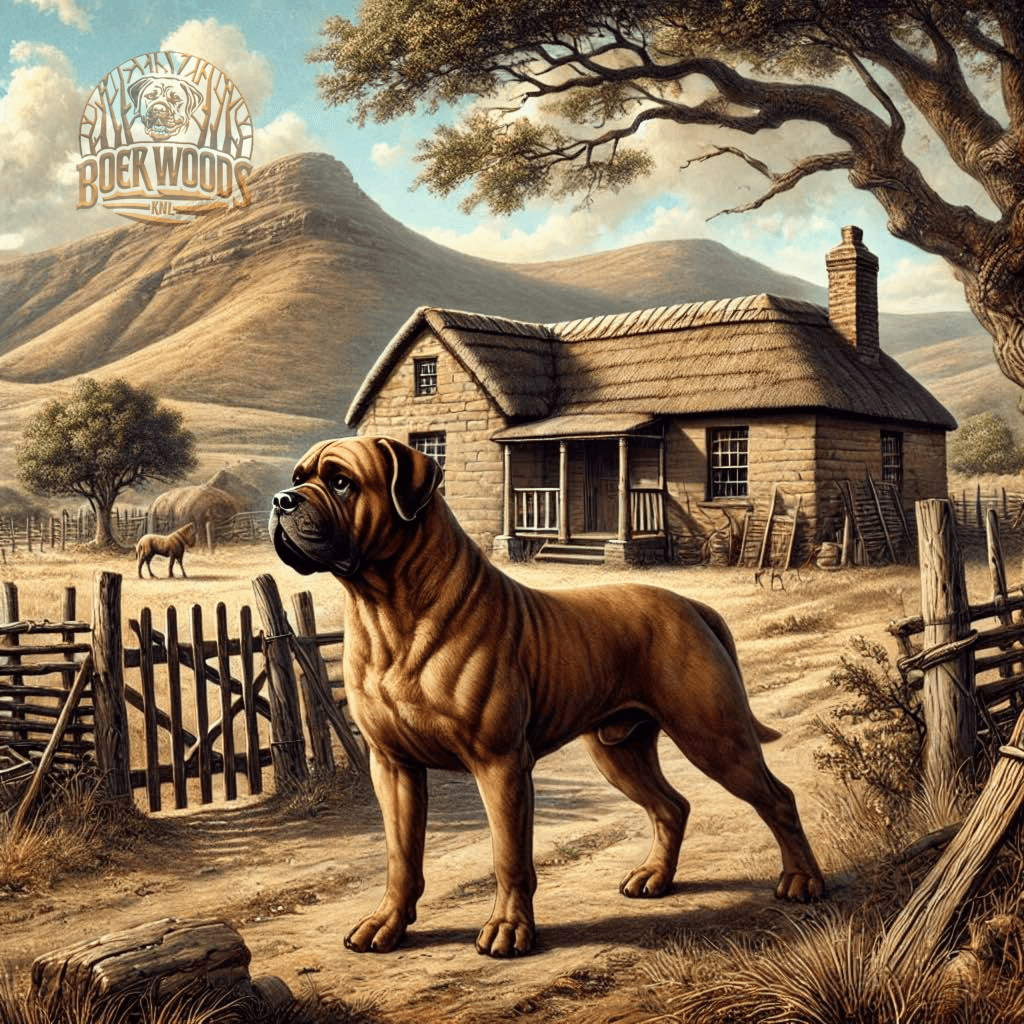
• Appearance Boerboels are easily recognized by their broad, square heads, deep chests, straight backs, and short, dense coats that are typically fawn, brindle, or brown, often with a black mask. Historical Roles and Uses The Boerboel was bred to fulfill two primary purposes: 1. Guarding: Protecting farms, families, and livestock from predators and thieves. 2. Hunting: Tracking and neutralizing dangerous animals such as baboons, leopards, and occasionally hyenas. These roles required a dog with a natural protective instinct, exceptional intelligence, and remarkable endurance. Recognition and Standardization For many years, the Boerboel was seen as a functional working dog without an official standard. In 1983, South African breeders launched a program to define its breed characteristics. The South African Boerboel Breeders Association (SABT) was established in 1990 to maintain the purity and functionality of the breed. The breed has since gained international recognition, including from the American Kennel Club (AKC), where it joined the Foundation Stock Service in 2006 and achieved full recognition in 2015. However, debates over non-traditional colors, such as black, have caused disagreements among breeders and limited recognition by some kennel clubs. Historical Facts and Legacy
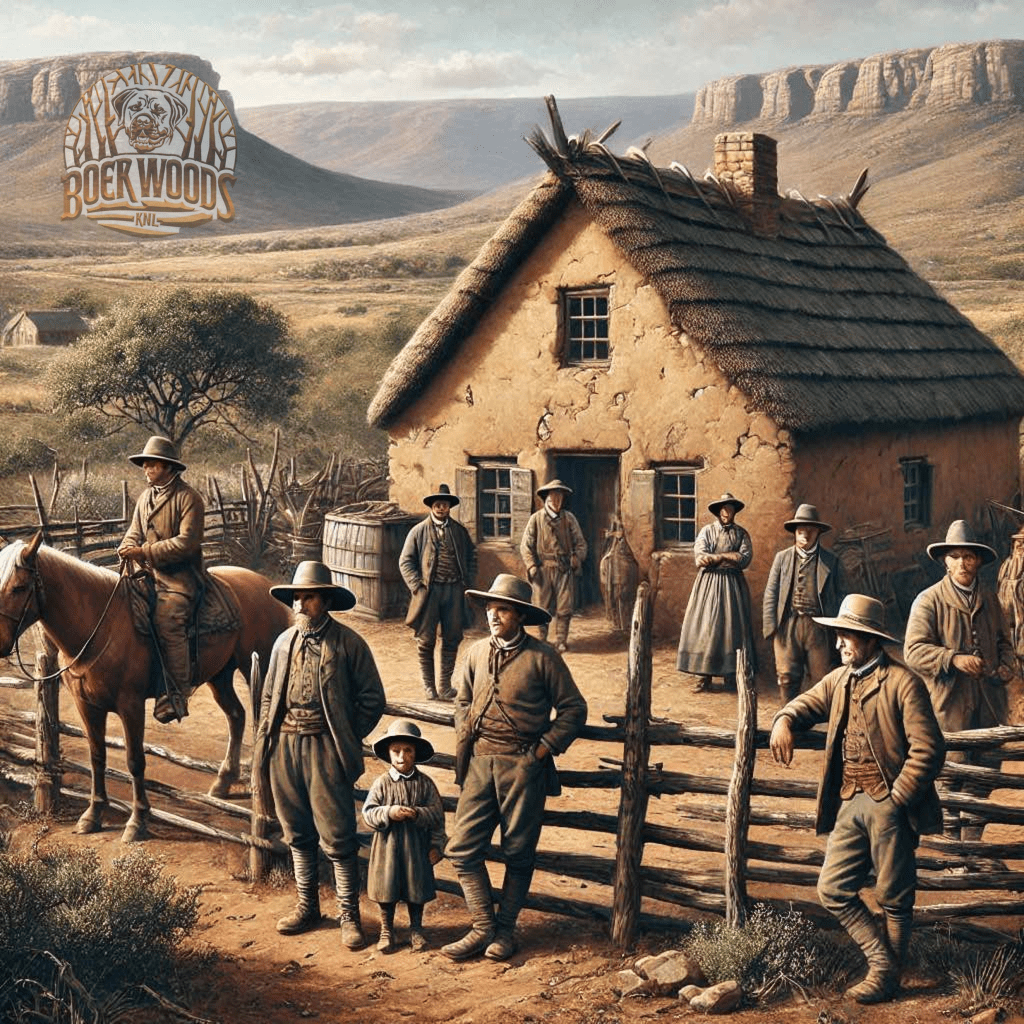
• African Roots: The Boerboel is the only dog specifically bred for South Africa, embodying resilience and adaptability to its challenging environment.
• Boer Wars: During the Boer Wars, these dogs were used to guard camps from invaders and wildlife.
• Modern Roles: Their protective nature and loyalty make them excellent guard dogs and companions today. Health and Care The Boerboel is a hardy breed but can be prone to common large-dog health issues, such as hip or elbow dysplasia. A balanced diet and regular exercise are essential for their well-being. The Boerboel’s Name and Significance

• Meaning: “Boerboel” translates to “farmer’s dog” in Afrikaans, reflecting its primary role of protecting Boer farms in South Africa.
• Cultural Importance: These dogs were vital to settlers, not only for protection but also for hunting and labor. Behavior and Temperament • Protective Instinct: Boerboels have a natural guard dog instinct and are extremely loyal to their families. They can be reserved or wary around strangers.
• Intelligence and Versatility: Quick learners, they excel in various tasks, including guarding, personal defense, and canine sports. Comparison with Other Breeds • Rhodesian Ridgeback: While both are African breeds, the Ridgeback is primarily a hunting dog, whereas the Boerboel’s main role is protection.

• European Breeds: The Boerboel shares a historical connection with breeds like the Bullmastiff but stands out for its adaptation to South Africa’s extreme climate and wildlife. Health in Modern Breeding
• Lifespan: The Boerboel typically lives 9–11 years, which is relatively long for a large breed. • Breeding Practices: Responsible breeding prioritizes health screening for conditions like hip dysplasia, heart issues, and eye problems. Cultural Role • Boerboels symbolize the resilience and adaptability of the Boer people in the face of South Africa’s challenges.
• They are regarded as a national treasure in South Africa and are protected by strict breeding standards. Modern Developments • The breed’s international recognition has boosted its popularity but also introduced challenges. For instance, some breeding practices now focus on non-traditional traits, sparking controversies within the breeder community.
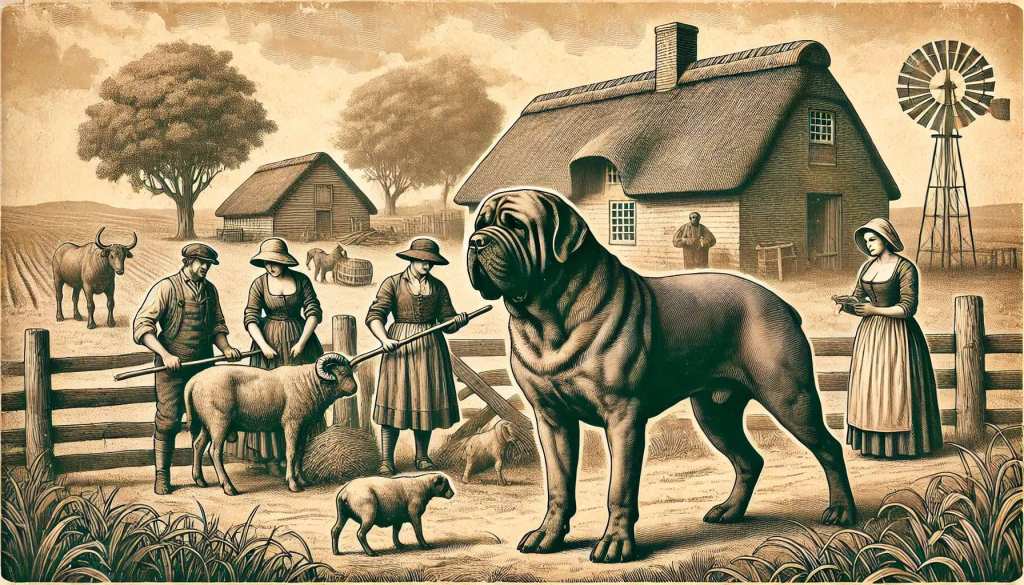
• Despite these challenges, Boerboels remain versatile working dogs, capable of adapting to modern lifestyles while preserving their historical roots. Key Figures and Contributions to the Boerboel’s History • Jan van Riebeeck (17th Century): Introduced European mastiff-like dogs to South Africa, considered ancestors of the Boerboel.
• De Beers Mining Company (1928): Imported Bullmastiffs to guard diamond mines, influencing the Boerboel’s development. • 1983 Breeder Initiative: South African breeders, including Johan de Jager and Jannie le Grange, standardized the Boerboel.
• SABT Foundation (1990): The South African Boerboel Breeders Association set strict criteria to preserve the breed’s traits. Legacy of the Boerboel The Boerboel stands as more than just a working dog. It represents a vital part of South African history and culture. Its combination of strength, loyalty, and adaptability ensures it remains a beloved breed among enthusiasts worldwide.
 Boerwoods knl